The short answer
Published estimates for Toms River put a typical tree removal at roughly $500 to $2,300, averaging about $1,400 (HomeBlue Toms River cost guide). A small ornamental tree in an open front yard can come in under that range; a 70-foot oak leaning over a house, needing a crane, can cost well above it. The only number that matters is the written quote from the company that looks at your tree.
What drives the price
- Height and trunk diameter. Bigger trees take longer to take down and produce more wood to haul away.
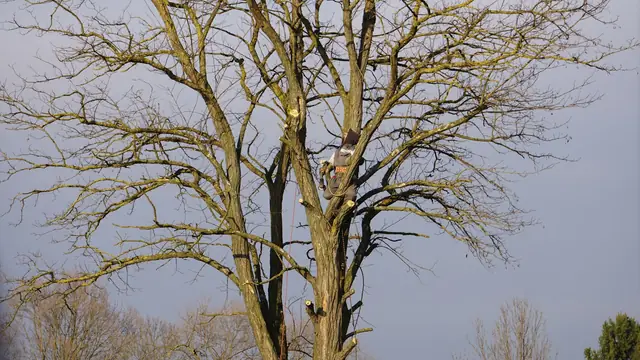
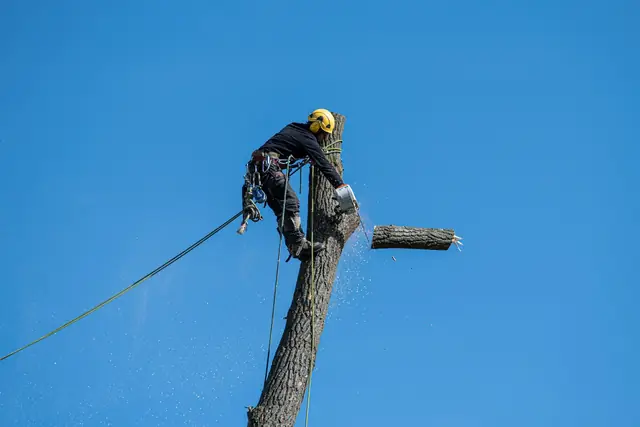
- What's underneath. A tree over a roof, pool, deck, fence or power line has to come down in small, roped sections instead of being felled in one piece.
- Access. Can a bucket truck or chipper reach the tree, or does everything have to be carried through a side gate? Tight lots in Point Pleasant, Brick and lagoon neighborhoods often cost more for this reason.
- Crane work. Some removals are only safe with a crane, which adds equipment cost but can shorten the job.
- Tree condition. Dead or decayed trees, especially brittle dead pines, can be riskier to climb and may need a lift or crane.
- Cleanup. Hauling away all wood and debris costs more than leaving logs cut to firewood length.
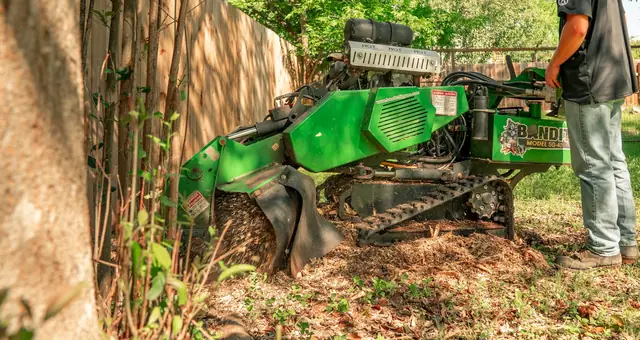
- Stump grinding. Often priced separately; see our stump grinding cost guide.
Local permit fees can add to the total
Most Ocean County towns now regulate tree removal on private property, and many follow the state's model ordinance, which covers street trees of 2.5 inches DBH and up and other trees of 6 inches DBH and up, and usually requires replacement trees or a payment in lieu. Here's what some towns list:
| Town | What needs a permit (summary) | Fee as listed | Source |
|---|---|---|---|
| Toms River | Permit for many removals on private lots | $75; waived for dead, dying or storm-damaged trees | Toms River Township |
| Jackson | Chapter 405; replacement or Tree Escrow may apply | $10 application + $25 inspection | Jackson permit application |
| Lacey | Street trees ≥2.5" DBH; other trees ≥12" DBH | $75 | Ord. 2024-18 |
| Barnegat | Most trees over 5" DBH, plus certain dogwoods and hollies | $100 application + $100 permit | application |
| Stafford | Street trees ≥2.5"; other trees ≥6" DBH | $25 per residential lot | Ch. 194 |
| Little Egg Harbor | Street trees ≥2.5"; other trees ≥6" DBH | $25 per residential lot | Ord. 2025-08 |
| Point Pleasant | Any street tree; other trees ≥6" DBH; replacement required | $150 application | ordinance |
| Beachwood | Street trees ≥2.5"; other trees ≥6" DBH | $10 | borough |
| Ocean Township | Street trees ≥2.5"; other trees ≥6" DBH; 1–4 replacements | See application | Ch. 373 |
Summaries of each town's published ordinance or application as of October 2026. Fees and thresholds change; always confirm with the town before work starts.
See our full Ocean County tree permit guide for more detail.
How to compare quotes
A good written quote spells out:
- Exactly which trees are coming down, and how (felled, sectioned, crane)
- Whether stump grinding is included, and how deep
- Cleanup: wood hauled away, left in rounds, or chipped on site
- Who gets the town permit, and whether replacement trees are included
- The company's NJ Licensed Tree Care Operator (LTCO) number and a certificate of insurance
New Jersey requires tree care businesses to be licensed through the NJ Board of Tree Experts. A very low price from an unlicensed or uninsured crew can cost far more if something goes wrong on your property.
Ways to keep the cost down
- Have several trees or stumps done in one visit. Crews price by the day, so one trip costs less than two.
- Ask about scheduling in late fall or winter, when many companies are less busy (storm emergencies aside).
- Keep the wood. If you can use firewood, leaving it in rounds can lower the price.
- Clear the work area and move cars, furniture and planters before the crew arrives.
- Don't wait on a clearly dying tree. Dead trees get more brittle, and removing them after they fail is usually harder and more expensive.
Does homeowners insurance pay for tree removal?
Usually only when a tree falls because of a covered event and damages a covered structure or blocks a driveway, and even then removal coverage is often limited. See our storm damage and insurance guide.
Do dead trees cost less to remove?
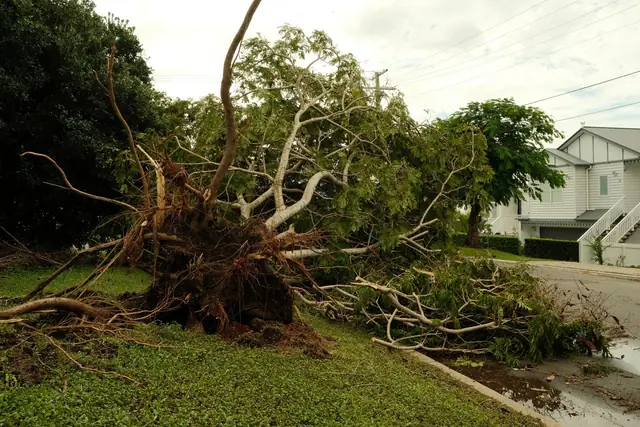
Not always. Dead trees can be brittle and unsafe to climb, so crews may need a bucket truck or crane. In Toms River, though, the permit fee is waived for dead, dying or storm-damaged trees.
Is stump grinding included?
Often not. Many companies quote it separately, so ask. Stump grinding commonly runs about $100 to $500 per stump.
More guides
Areas we cover
- Toms River
- Brick
- Lakewood
- Jackson
- Manchester
- Berkeley
- Lacey
- Barnegat
- Stafford
- Little Egg Harbor
- Point Pleasant
- Point Pleasant Beach
- Plumsted
- Beachwood
- Ocean Township
Last updated October 18, 2026. Prices and rules come from the cited third-party and municipal sources and can change. They aren't quotes or legal advice. Free referral service, not a tree company. Your request goes to one independent local tree company, which may pay us for the referral.